
Business Partnership Advisor
Together, we can fix your business and partnership problems

Chris Reich, Business Mediator
When the Problem Partner Doesn’t Propose Solutions

When the Problem Partner Doesn’t Propose Solutions
Chris,
My business partner and I just can't get on the same page. If I propose starting a marketing program to increase sales, he says no. If I propose hiring another person to help with office tasks he says "no" even though we're often behind with simple things. It seems he does whatever he wants but if I act like a partner and try to discuss business decisions, his "feedback" is always "no". I can't function in this partnership much longer. He complains all the time but never brings anything to the table. What can I do? Would mediation help?
What to Do When Your Partner Stops Partnering
Sadly, the ugly reality is that if your partner complains but doesn't offer solutions, he's no longer a partner. Okay, there are some people who just have no idea what to do about many business problems. They don't know how to grow sales, deal with increased costs, or handle employee issues. Those people act in one of two ways. They either act aloof as though they are above it all. The blinders go on and they just won't face the problem. Often, they will offload problems onto their partner's back. "I wanted to be in a partnership with you because I thought you knew what you were doing," they say. It gets pushed to their partner. This might be the partner you've got.
Or, if they are honest and clueless, they'll admit their inability and say something like, "I have no ideas about what to do, but we should talk about it. If we put our heads together, we'll figure it out." That's the partner you want.
A wise lawyer once taught me this important lesson when he was drawn into a nasty partnership dispute that I was working on. One of the partners was always complaining that the other was never bringing ideas to the table. The lawyer, after listening to the whining for 15 minutes said, "Tom, you need to learn to deal with the partner you have, not the one you wish you had." That simple observation applies in many situations that come to my desk. People want their partner to be someone they aren't. Often people will feel good about starting a partnership with someone they can dominate only to be frustrating when their partner won't speak up or challenge them.
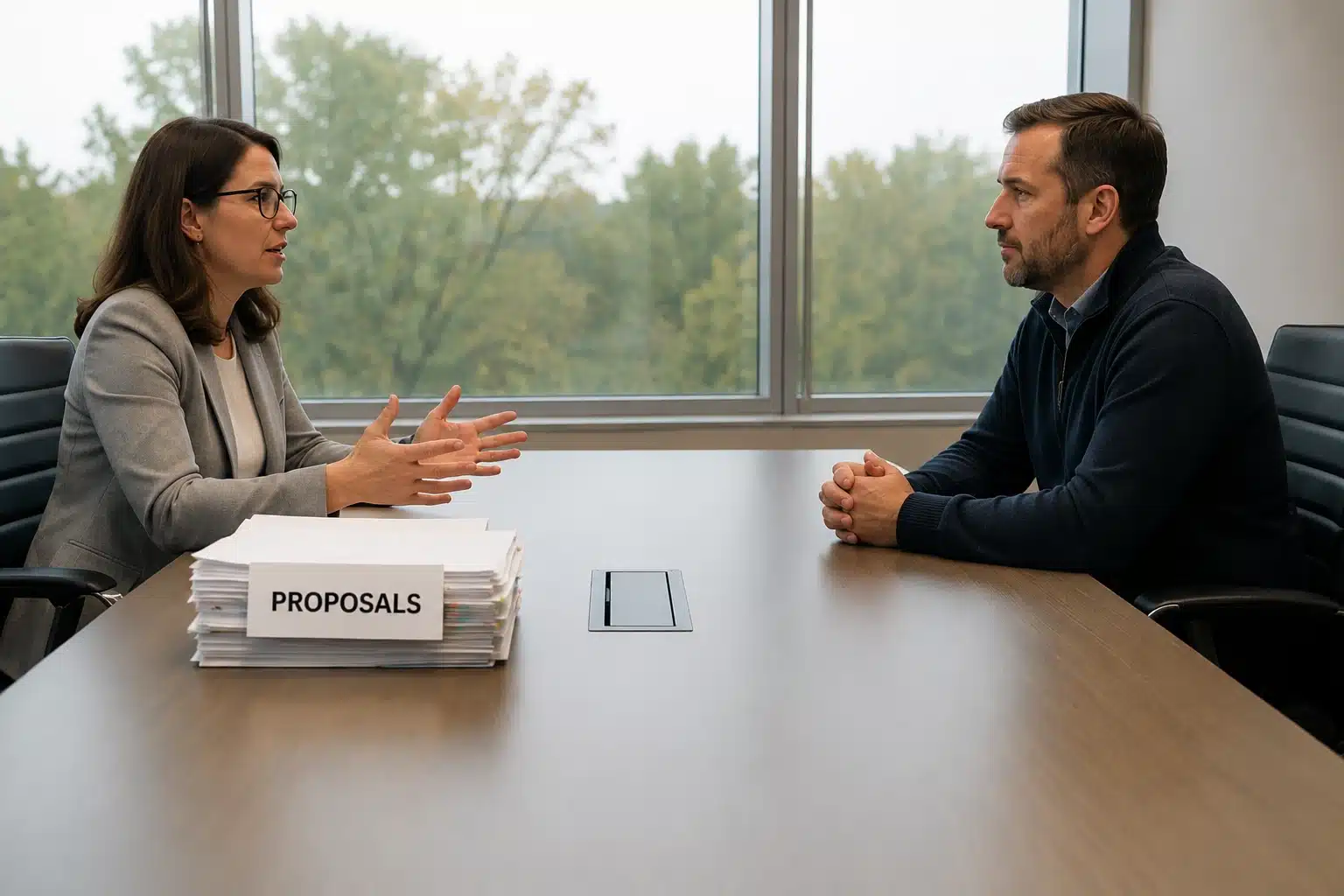
It seems most often, the partner who is the source of conflict has no solutions to offer when partners meet. Come to the table with solutions, not just complaints.
—Chris Reich, Business Partnership Mediator
Your Options Are Few and Bumpy
When your partner is critical and disengaged, it's going to fall on you to get the train back on track. Start by telling your partner that it's important for you both to sit down in a quiet place to talk. You'll need a time when there will be no interruptions. This meeting needs a somewhat formal air about it. This meeting may determine the future of your partnership possibly if there is a future to your partnership. Prepare and print an agenda. Tell your partner that he is free to add his own items.
When you meet, bring your proposals. If your partner refuses to engage, inform him that because of his failure to participate as a partner and offering nothing to solve problems, your proposals will be implemented. If he disagrees with that, your partnership is in deep trouble. It's time to call the Mediator. I used to believe every relationship could be salvaged, but now I know there are many beyond repair. It takes a desire on the part of both parties to fix the relationship for there to be even a glimmer of hope.
Mediation can be purposed to get the partnership on track if the parties are willing to do the hard work necessary and to make compromises needed to rebuild trust and respect.
If that's not going to happen, the mediation can help with separation talks. Maybe that's a buyout, maybe you sell the business. A good mediator will help with valuation (walking through simple valuation models or recommending an appraiser).
In summary, if your partner won't participate in the running of the business or won't allow you any input, you need to take action. It's your right. I work with situations like this every day and am here to put 30 years of experience to work for you.
Chris Reich, Business Mediator
"If your partner won't participate in the running of the business or won't allow you any input, you need to take action"
Are You Ready to End the Stress of Your Partnership Problems? Contact Me Now for a 100% Confidential Consultation.